
Choosing the Right Materials for Your Kitchen Renovation

Choosing the Right Materials for Your Kitchen Renovation
Material choice is where most kitchen budgets get decided — and where I see people either overspend on things that don't matter, or underspend on things that do. After fitting out a lot of Sydney kitchens, here's how I'd actually spend the money if it were my place.
Cabinets: carcass quality matters more than the door
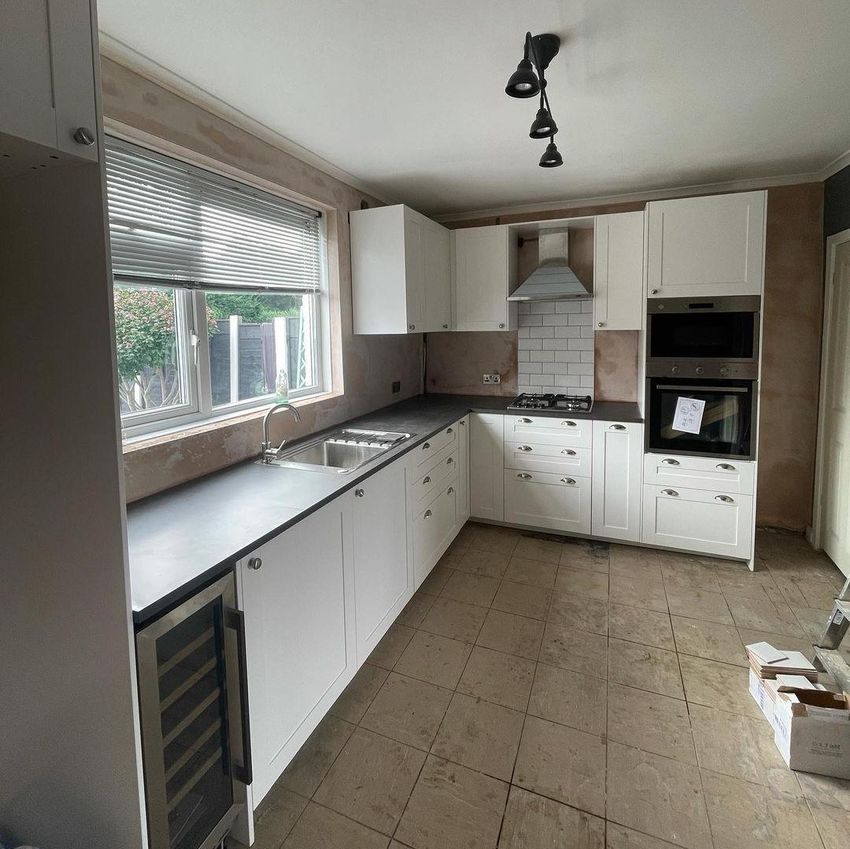
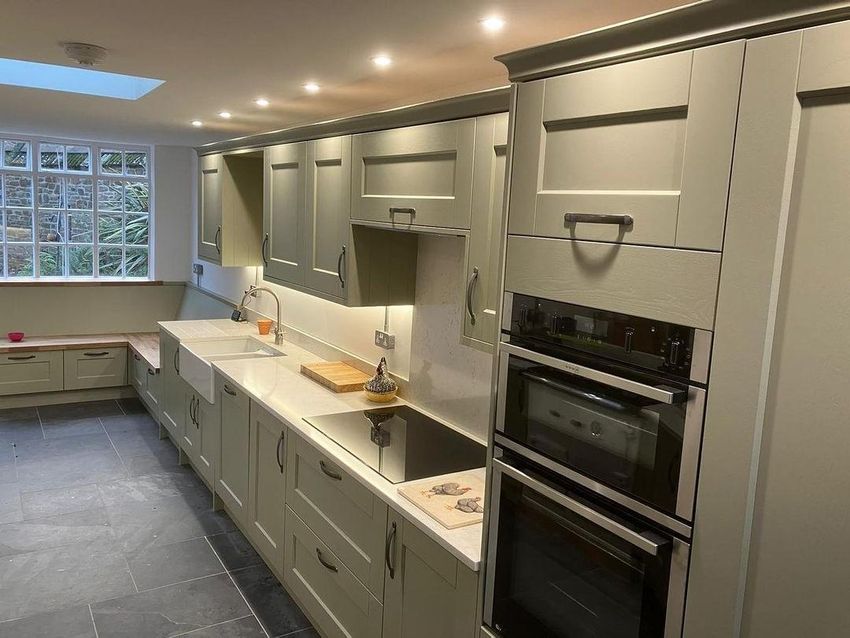
The cabinet box (carcass) takes the daily load — shelves, drawers, the weight of everything you own. Moisture-resistant board with a melamine finish, like IKEA's METOD carcasses, is a genuinely sound choice for Sydney's humidity; it won't swell or delaminate the way cheaper particleboard can. Where you can splash out is the door front — that's what you see and touch every day, and it's the cheapest part to upgrade or replace later if your taste changes. This is actually the smart way to think about an IKEA kitchen: solid, moisture-resistant carcasses everywhere, then choose from dozens of front styles (shaker-style BODBYN, high-gloss RINGHULT, timber-look) depending on budget.
Benchtops: pick for how you actually cook
- Quartz (engineered stone) — the most practical all-rounder for most kitchens. Non-porous, doesn't need sealing, resists stains and scratches well. Slightly higher price, but low maintenance for decades.
- Laminate — genuinely underrated. Modern laminate benchtops look far better than they used to, cost a fraction of stone, and are easy to replace down the track if you change your mind. A sensible pick for rentals or a first reno on a budget.
- Natural stone (granite, marble) — beautiful, but needs sealing and isn't as forgiving with acidic spills (wine, lemon juice) or heat, especially marble. Worth it if you love the look and are prepared to maintain it.
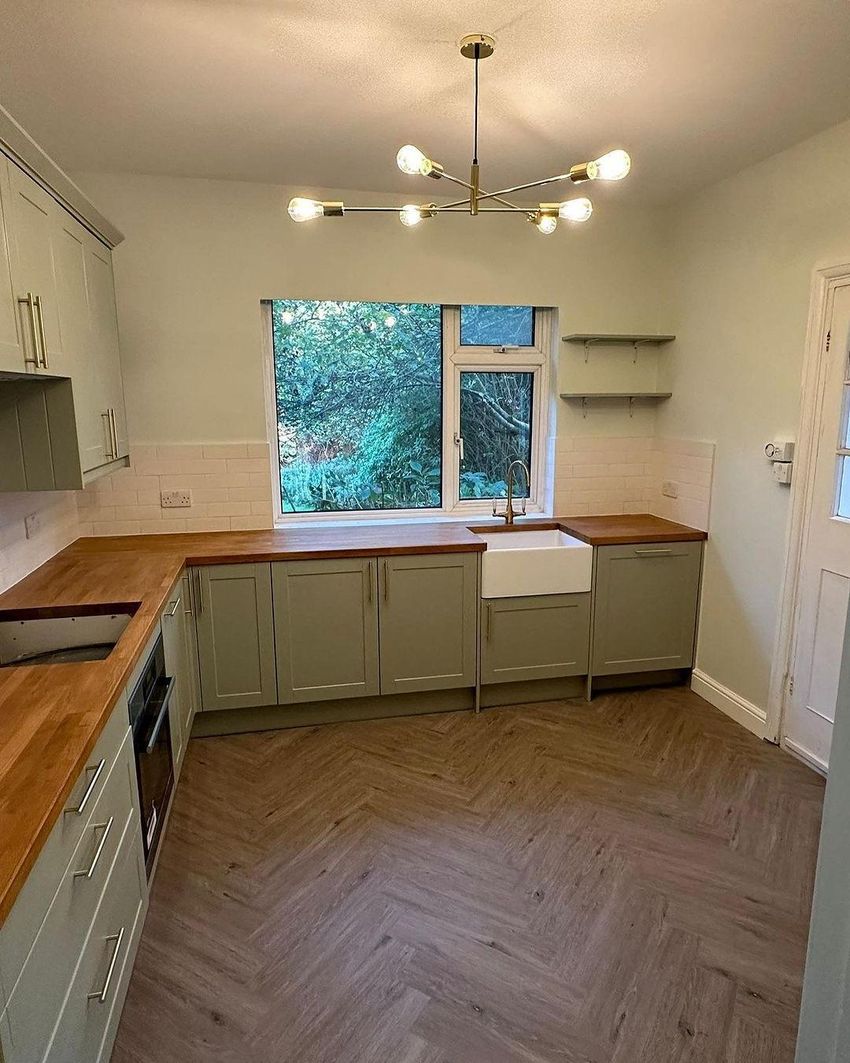
- Timber/butcher block — warm and characterful, but needs oiling and isn't ideal right next to a sink unless well sealed. Better as an island feature than a full wraparound benchtop in a humid climate.
Whatever you choose, get the sink and cooktop cut-outs measured and cut by whoever is installing your kitchen, not guessed from a spec sheet — even a couple of millimetres out causes headaches with appliance fit.
Flooring: durability first, look second
Kitchen floors cop water, dropped knives, dragged chairs and constant foot traffic. Porcelain tile is hard to beat for durability and is completely unfazed by water. Engineered hardwood gives a warmer look and holds up reasonably well if you're careful about spills. Vinyl (especially good-quality luxury vinyl plank) is the budget-friendly option that's come a long way — waterproof, comfortable underfoot, and easy to install around cabinetry.
Splashbacks: the easiest place to add character without risk
Tile splashbacks are the classic choice for a reason — cheap to install, easy to clean, endless design options. Glass splashbacks give a sleek, seamless look and are very easy to wipe down, but show fingerprints more. Stainless steel is the commercial-kitchen choice — tough as anything, but a colder look that suits industrial-style kitchens better than most homes.
The factors that should actually drive your decision
- Durability — how will it cope with daily use, moisture, and the odd dropped pan?
- Maintenance — are you happy sealing stone every year, or do you want to wipe and forget?
- Budget — where do you want to spend, and where can you save without regretting it?
- Fit with the rest of the house — a kitchen that clashes with the rest of an open-plan living space will always feel slightly off.
Get samples before you commit
Photos and showroom lighting flatter almost everything. Get physical samples of benchtop and door colours and look at them in your own kitchen, at different times of day — natural light changes how a colour reads more than people expect.
If you're weighing up materials for an upcoming reno — IKEA or otherwise — send us your plan or a few photos for a fixed quote. We'll tell you honestly which choices are worth the money and which aren't, before you order anything.